⭐✨⭐
SPECIAL
OFFER
Leaving Already? Grab Your Discount!
Your cart qualifies for up to 7% OFF
- 3% OFF $500–$1499
- 5% OFF $1500–$2499
- 7% OFF $2500+

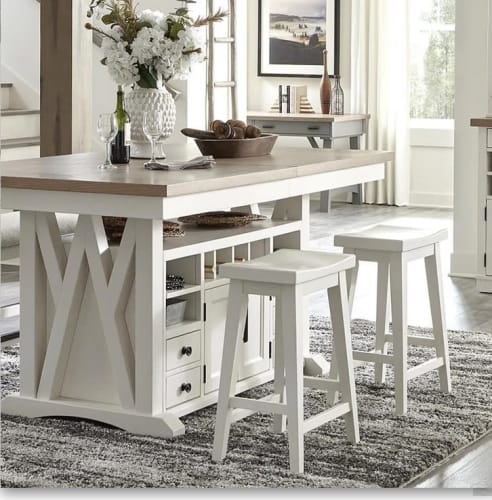
Choosing kitchen table chairs may seem straightforward at first, but the details matter more than most people expect. The wrong chair can throw off the look of a room, feel awkward around the table, or clash with furniture you already own. That is why we always recommend taking a step back before making a purchase.
When shoppers browse kitchen table chairs for sale, they often focus on style alone. We think that is only part of the decision. It helps to look at your existing decor, your table shape, your room size, and the way you use the space every day.
In this guide, we explain how we approach chair selection from a practical point of view so the final result feels balanced and useful, not forced.
Before you choose new chairs, look at what is already in the room. We usually suggest starting with the table, flooring, wall color, lighting, and nearby furniture.
Ask yourself a few simple questions:
Is the room warm or cool in tone?
Does the table already have a strong finish?
Are your cabinets or nearby pieces modern, classic, or rustic?
Do you want the chairs to stand out or blend in?
These questions help you avoid a mismatch. A chair does not need to match every detail in the room, but it should feel like it belongs there.
The easiest way to make chairs work with your decor is to match the overall style. That does not mean everything must look identical. It means the pieces should speak the same design language.
Traditional spaces usually work well with chairs that have:
Wood frames
Curved backs
Upholstered seats
Rich finishes
Modern spaces often pair best with chairs that offer:
Clean lines
Simple shapes
Low visual bulk
Neutral or bold solid colors
Casual spaces usually benefit from chairs that feel comfortable and relaxed.
We often see this style working well when people want practical dining furniture that does not feel too formal for daily use.
Rustic rooms work well with natural textures and finishes that feel lived-in rather than polished.
If your home already has a mix of styles, use the strongest visual element as your guide. That is usually the table or the flooring.
Color has a bigger impact than many people think. A chair in the wrong finish can make a space feel crowded or disconnected.
Decor Goal | Chair Color Approach | Best Result |
|---|---|---|
Blend with the room | Similar tones to the table or floor | Calm, consistent look |
Add contrast | Dark chairs in a light room or light chairs in a dark room | Clear visual focus |
Warm up the space | Wood tones, beige, tan, or soft brown | Inviting and soft feel |
Keep it simple | Black, white, gray, or natural wood | Easy to match with other pieces |
If your room already has patterned rugs, bold wall color, or decorative cabinets, neutral chairs usually work better. If the room feels plain, chairs with more texture or contrast can help it feel finished.
Style matters, but comfort depends on fit. Chair height should work with the table, or the entire setup will feel off.
We recommend checking:
Seat height compared with table height
Arm height, if the chairs have arms
Space between chairs when pulled out
Clearance for people to sit comfortably
If the chairs sit too high, people will feel cramped. If they sit too low, the setup can look awkward and feel uncomfortable during meals.
This is especially important if you use the dining area every day. Good dining furniture should feel natural, not like a constant adjustment.
Different materials create different moods. Some look formal, some look relaxed, and some work well in busy homes because they are easier to maintain.
Wood chairs work well with many decor styles. They bring warmth and can connect easily with wood tables, cabinets, and flooring.
Upholstered chairs add comfort and softness. They often work well in dining rooms that share space with living areas.
Metal chairs feel more contemporary and are often easier to keep clean.
Some chairs combine wood, metal, and fabric. These can work well when your room already has a layered look.
If you are comparing materials, it can help to look at other pieces in the home too. For example, shoppers often coordinate dining choices with items from our home office furniture section when they want a consistent look across more than one room.
We always tell customers to think about how the room functions. A chair that looks great but feels hard to use will not stay enjoyable for long.
Consider whether the chairs need to handle:
Family meals
Homework or work sessions
Holiday gatherings
Frequent cleaning
Children or pets
The more active the room, the more important durability becomes. In a busy home, comfort and easy upkeep often matter more than a decorative detail that only looks good in photos.
Shopping during dining room furniture sales can make it easier to find a good match without stretching your budget. The key is not to buy only because a piece is discounted. We always suggest comparing the sale item to your room needs first.
Reviews also help, especially when you are unsure how a chair looks in real homes. Product photos only show one angle. Reviews often reveal practical details such as comfort, finish quality, and assembly experience.
For that reason, we recommend checking our customer reviews page when you want more context before choosing.
Here is a simple checklist we use when helping customers compare chairs.
Checkpoint | What to Look For |
|---|---|
Style | Matches or complements existing decor |
Color | Works with table, floor, and wall tones |
Height | Fits the table comfortably |
Material | Suits daily use and cleaning needs |
Comfort | Supports regular meals and gatherings |
Size | Leaves enough space to move around |
Budget |
Your cart qualifies for up to 7% OFF